
Milk is set to stay expensive on Kenyan shelves for a while yet, with production down sharply at home and the country now leaning on neighbors to fill the gap.
Shoppers have already felt the pinch; supermarkets and dairy shops in several parts of the country have been running low on stock, and several outlets have started capping how much milk customers can buy at once.
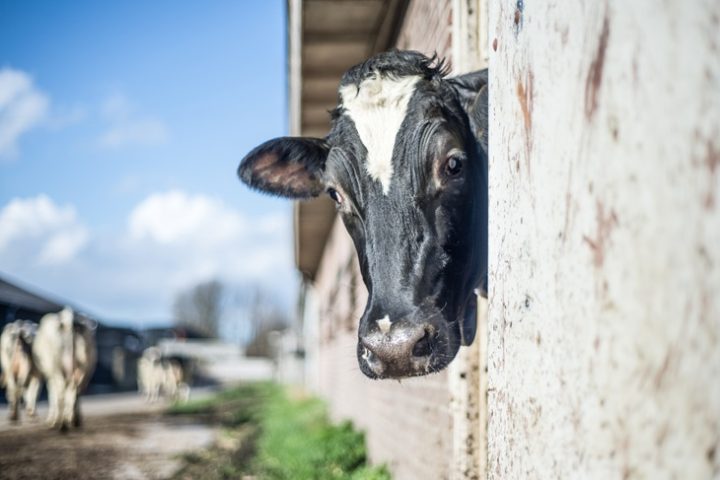
Behind it all is the weather: dry conditions have hit pasture hard in the country’s key dairy zones, and feed costs have climbed just as farmers need more of it to keep production up.
Figures from the Kenya Dairy Board tell the story in numbers as deliveries to processors slipped from 84.4 million litres in June to 81.3 million litres in July, a drop of roughly 3.7 percent. Early signs suggest August won’t be much better.
That squeeze has already worked its way into prices. Half-litre packets in parts of Nairobi have gone up by Sh3 to Sh5, and fresh milk at some outlets isn’t far behind.
With local supply unable to keep pace, the government is now looking outward. Trade Cabinet Secretary Lee Kinyanjui has admitted as much, saying Kenya can’t currently meet demand on its own and has started bringing in milk from Uganda to bridge the gap.
He framed the imports as a stopgap, something to ease pressure now while officials work on rebuilding local production over the longer haul. Both Uganda and Tanzania reportedly have healthier milk supplies at the moment, giving Kenya somewhere to turn.
It’s the farmers who are absorbing much of the damage. Dry pasture and costlier feed have combined to push up the cost of producing milk, which the Kenya Dairy Board pegs at somewhere between Sh30 and Sh37 a litre, depending on how a farm operates.
Nyeri offers a glimpse of how steep the decline has been. One dairy there said it’s now collecting around 6,000 litres a day, down from about 10,000 litres just months earlier.
The Consumers Federation of Kenya has urged the government to act quickly, not only to steady prices for households but also to get emergency support to farmers struggling with fodder and feed shortages.
For ordinary consumers, it comes down to the household budget. Purchase limits are becoming more common, and stock-outs keep popping up unpredictably. A 500ml packet in Nairobi has been going for between Sh61 and Sh65, while milk at some dairy centres has crept up to around Sh80 a litre.
Milk isn’t the only thing getting pricier, either. Kenya’s statistics bureau put food and non-alcoholic drink prices 9.0 percent higher in August than a year earlier, adding to the strain many households are already feeling.
Officials insist this is a temporary rough patch rather than a lasting crisis. Even so, consumers should expect to keep paying more until supply catches up, something the government hopes imports will help with in the short run, while better rains and stronger backing for dairy farmers do the heavier lifting over time.
Related Content: Beyond the Milk Can: How Kenyan Dairy Farmers Can Turn Cows into Cash