
Ask most people what a dairy farmer sells, and they’ll say milk. Fair enough, but farmers who stop there are leaving money on the table.
Between the households looking for a trustworthy milk supplier, the hotels that need dependable delivery every morning, and the neighbours who’d happily buy manure for their vegetable patch, there’s more than one way for a dairy enterprise to pay its way.
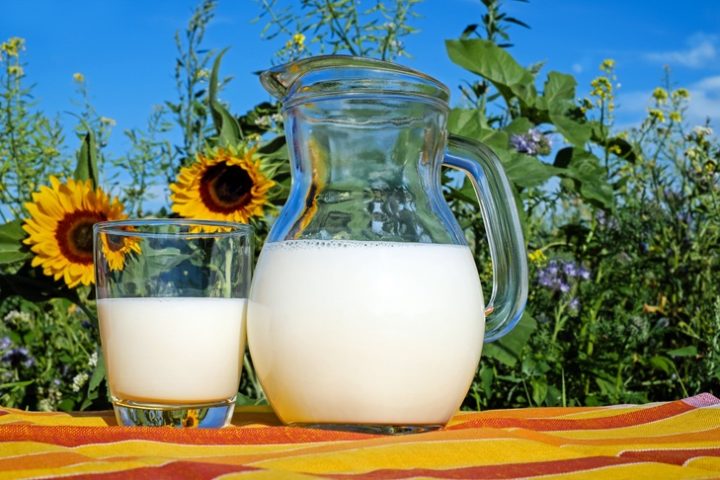
Selling raw milk is still the backbone of the business, and it works best when a farmer treats it as a relationship rather than a transaction.
Buyers, whether that’s a household down the road, a milk collection centre, or a cooperative, stick around when the supply is consistent and the quality never wavers. Build that reputation and repeat customers tend to follow.
But raw milk isn’t the ceiling. Turning it into yoghurt, mala, cheese, butter or other fermented products lets a farmer capture more value per litre, and it comes with a practical bonus, on days when demand for fresh milk dips, processed products give the farmer somewhere else to send that surplus instead of watching it go to waste.
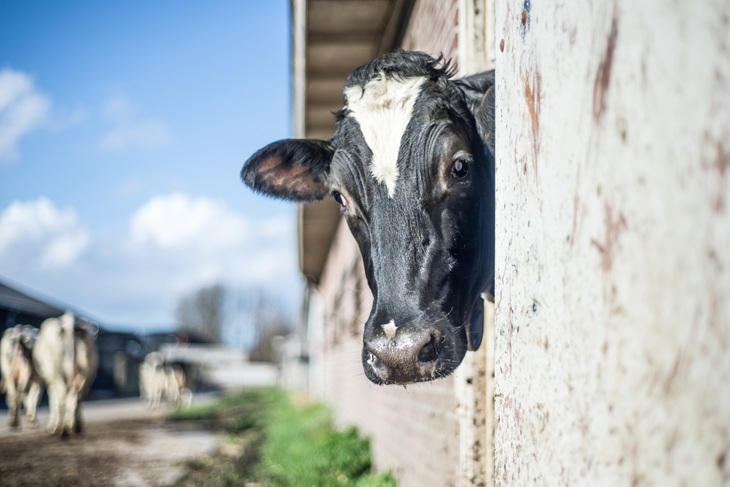
A farmer who put real effort into breeding strong, healthy dairy cows isn’t just producing milk, they’re producing calves and heifers other farmers want to buy to upgrade their own herds. That’s a second income stream sitting right there in the paddock.
And don’t overlook what comes out the other end of the cow. Manure, packaged and sold as organic fertiliser, is a small but steady earner for farmers willing to bag it up for crop growers and gardeners nearby.
The real challenge and finding buyers who stick around
Plenty of farmers produce good milk. Fewer have cracked how to keep a steady stream of customers coming back. A few things tend to make the difference:
Start close to home. The households in your own area are the easiest customers to win, and keep, if you show up reliably and the milk is fresh every time.
Knock on doors that need daily supply. Hotels, restaurants, cafés, bakeries and schools all go through milk fast, and they want a supplier they don’t have to think about. A short conversation, a free sample, and a fair price can turn into a standing order.
Don’t go it alone. join a cooperative. Cooperatives already have the buyers, the collection points, and often the transport sorted out. For a farmer building a customer base from scratch, that’s a shortcut worth taking.
Get on WhatsApp and social media. A lot of farmers are still relying purely on word of mouth, while their competitors post prices, delivery zones and contact numbers on Facebook, TikTok and X and pull in customers from well outside their usual radius.
Consider delivering it yourself. Near towns and cities especially, people will pay a bit extra just to skip the trip to buy milk. Hygienic handling and a reliable drop-off time go a long way here.
Never let quality slip. This is the one that keeps everything else working. Clean equipment, healthy animals, proper storage, customers notice, and they talk. A good reputation spreads faster than any advert.
The farmers who do well over the long run keep an eye on their costs, know exactly who their customers are, and keep proper records instead of guessing.
They also don’t put all their eggs in one basket, mixing milk sales with value-added products, breeding, and manure sales means one slow month for milk doesn’t sink the whole business.
Get the animal care right, stay close to your market, and dairy farming stops being just a way to survive, it becomes a genuine, steady income, built on a product Kenyan households will never stop needing.
Related Content: Sawa Kicks Off Drive Aimed At Curbing Dairy Farming Losses