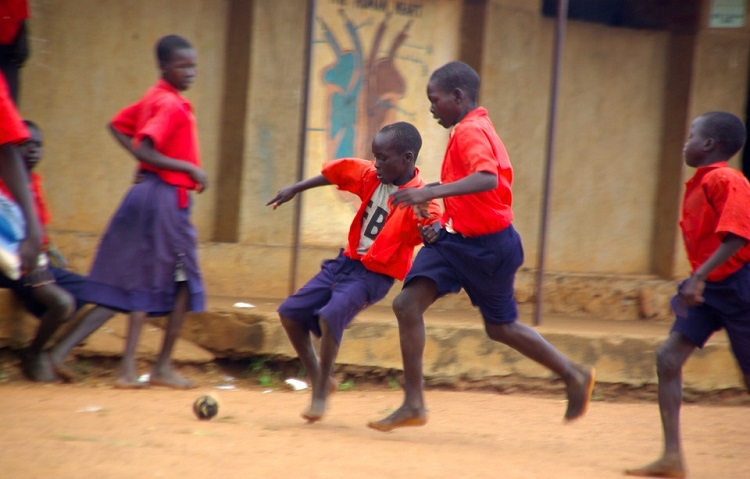

For millions of Kenyan parents, dropping children off at school every morning comes with one silent hope — that nothing goes wrong. Yet accidents, sudden illnesses, emergencies, and chronic conditions remain part of everyday life for children. Unfortunately, most schools in Kenya still do not provide comprehensive medical insurance for students, leaving parents and institutions exposed to devastating out-of-pocket medical expenses.
This gap has created a dangerous reality where access to healthcare for many children depends largely on a family’s financial ability at the time of illness. In a country where healthcare inflation continues to rise, even a simple hospital admission can wipe out savings meant for school fees, rent, or food. The burden becomes even heavier for orphanages, children’s homes, and welfare institutions operating on limited budgets.
Medical insurance for children is no longer a luxury; it is a necessity. Children are naturally vulnerable to infections, injuries, and lifestyle-related conditions that require immediate medical attention. Without insurance, treatment delays often become inevitable, putting lives and long-term wellbeing at risk. Beyond treatment, health insurance also promotes preventive care, wellness checks, and early diagnosis, which are critical in ensuring children grow into healthy and productive adults.
This is why the launch of HeriAfya Juniors by Liberty Kenya is a major turning point for the Kenyan insurance sector. The product specifically targets schools, orphanages, and welfare programmes by allowing institutions to insure groups of children under one cover arrangement.
What makes HeriAfya Juniors revolutionary is that it addresses a segment that has largely been ignored by traditional insurers. The cover includes benefits such as inpatient and outpatient care, cancer treatment, mental health services, HIV/AIDS care, and wellness programmes tailored for children.
More importantly, the product shifts healthcare from being reactive to proactive. Institutions can now plan healthcare costs through structured premiums instead of relying on emergency fundraising whenever a child falls sick. In many ways, this is not just an insurance product — it is a social protection solution.
Kenya’s insurance penetration remains low at about 2.2 percent of GDP, meaning many families and institutions still operate without adequate cover. Solutions such as HeriAfya Juniors could help normalize health insurance for children and spark a broader national conversation about mandatory student medical cover in schools.
A healthy child learns better, performs better, and dreams bigger. Investing in children’s healthcare is ultimately investing in Kenya’s future.
Related Content: Why Health Insurance for Children Is No Longer Optional for Kenyan Parents