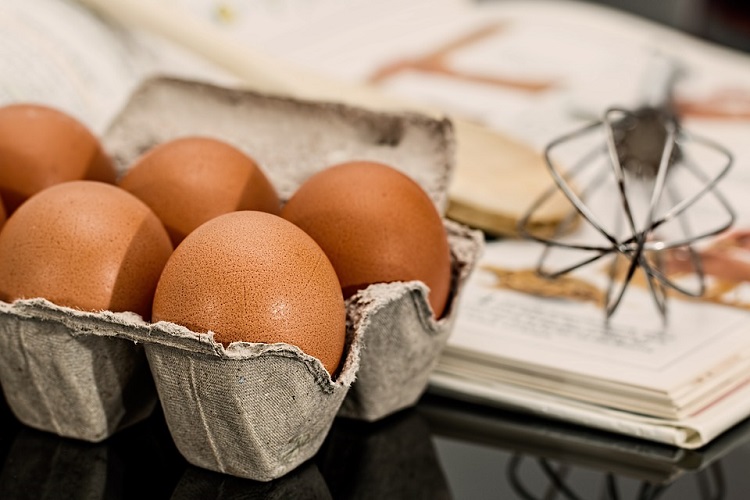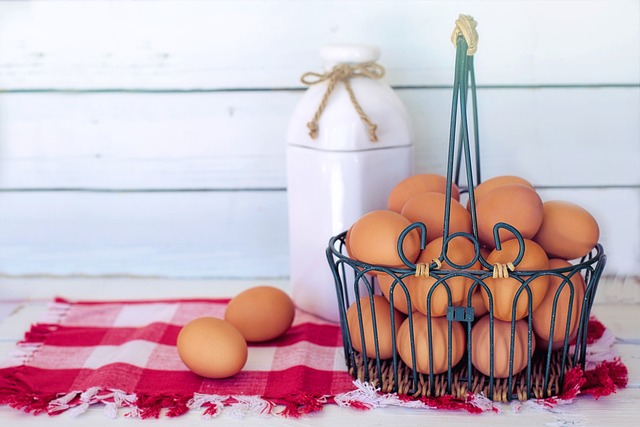

A tray of 30 eggs that used to go for Sh450–Sh550 is now fetching anywhere from Sh504 to Sh720 in the capital and its outskirts, according to a report published this September.
Elsewhere in the country, prices are holding a bit steadier; ordinary commercial eggs are moving at roughly Sh400–Sh500 a tray, while kienyeji eggs, prized for their taste and perceived health benefits, are pulling in considerably more wherever they’re sold.
A quick snapshot from KAMIS records and recent market surveys tells the story market by market. At Wakulima in Nairobi, eggs were going for Sh470 as of mid-September. Eldoret Town Market and Kisumu Central weren’t far off, at Sh450 and Sh460 respectively.
But head to Ndanai in Bomet, and indigenous eggs were commanding Sh600 wholesale and a striking Sh750 at retail, nearly double what exotic-breed eggs fetch in places like Ngurubani, Kirinyaga, where they were retailing around Sh450.
That gap between farm-gate and retail prices and between ordinary and indigenous eggs is exactly where the opportunity lies for anyone willing to run the numbers properly.
How farmers can turn eggs into millions
Here’s where it gets interesting for anyone thinking of getting into poultry seriously. Take a farmer running 5,000 layers. At a solid 80 percent lay rate, that’s about 4,000 eggs a day, roughly 133 trays daily, or around 4,000 trays a month.
Sell those at Sh450 a tray and you’re looking at gross monthly sales of Sh1.8 million, which works out to about Sh21.6 million a year. Push the price up to Sh500 a tray, and annual gross revenue climbs to around Sh24 million.
Impressive numbers, no doubt but they’re gross, not profit. Feed, labour, vaccines, housing, water, power, transport, packaging, mortality losses and replacement birds all come out of that figure before anyone sees a shilling of actual profit.
Feed remain the biggest challenge
A 70-kilogramme bag of layer mash is currently going for somewhere between Sh3,800 and Sh4,000 from some suppliers, though other reports this September have it as high as Sh5,000 depending on the formulation and who’s selling it.
FarmBizAfrica reported the jump from roughly Sh3,800 in April to Sh4,000–Sh5,000 now, pointing to maize and soya shortages squeezing feed manufacturers.
For a flock the size of 5,000 birds, even a modest rise in feed costs eats into margins fast. It’s arguably the single biggest factor separating farmers who bank real profit from those who just move a lot of eggs without much to show for it.
The opportunity is not only on ordinary eggs
Smart farmers aren’t just chasing volume on ordinary eggs, they’re going after the premium end of the market too. Those Ndanai and Ahero numbers on kienyeji eggs aren’t a fluke; indigenous eggs consistently outprice exotic ones by a wide margin.
That opens the door to hotels, bakeries, supermarkets, schools, health-focused buyers, distributors, and even households willing to pay for direct delivery.
And the business doesn’t have to stop at eggs. Spent layers can be sold once their laying days are behind them. Poultry manure has real value to crop and horticultural farmers looking for organic fertiliser.
Farmers with the right setup can branch into selling chicks or pullets ready to lay, and fertilised hatching eggs often fetch more than standard table eggs when there’s a buyer lined up. Selling directly, cutting out brokers, tends to put more money in the farmer’s pocket too.
Why Prices Keep Climbing
The feed shortage is doing a lot of the heavy lifting here. Maize and soya, the backbone ingredients of poultry feed, have been in short supply, and that’s rippling through to what farmers pay to keep birds fed.
Add in unpredictable weather, which can dent laying performance in cooler spells, plus the ever-present risk of disease wiping out productivity overnight, and it’s clear egg farming isn’t the passive income stream some imagine.
At the end of the day, the egg business rewards farmers who manage the details, not just the ones who own the most chickens. A flock producing 4,000 eggs daily can build serious wealth, but only if feed use stays controlled, mortality stays low, and eggs don’t get dumped cheaply on brokers.
The difference between selling at Sh400 a tray versus Sh500 comes to Sh100 per tray. Multiply that across 4,000 trays a month, and you’re talking an extra Sh400,000 in monthly revenue, money that either lands in the farmer’s account or slips away to a middleman.
Good breeds, disciplined nutrition, disease control, careful record-keeping, and direct access to buyers- that combination is what separates a modest poultry operation from a multimillion-shilling enterprise.
The lesson for anyone eyeing this space isn’t just “produce more eggs.” It’s producing them efficiently and getting them into the hands of buyers willing to pay what they’re actually worth.
Related Content: Raila Wants Kenyans To Boycott Eggs To Punish Ruto