
Industry voices from Kenya’s retail, hospitality, and harm-reduction communities are pressing lawmakers to revisit key sections of the Tobacco Control (Amendment) Bill, 2026, warning that as drafted, the legislation risks pushing more of the tobacco trade underground, raising costs for legitimate operators, and putting jobs at risk throughout the supply chain.
The concerns surfaced during a public participation forum in Nairobi organized by the National Assembly’s Health Committee, where representatives from affected sectors argued for a middle path — one that advances public health goals without punishing law-abiding businesses.
While stakeholders were quick to affirm their support for tobacco harm-reduction efforts and tighter regulatory standards, they cautioned that certain clauses in the Bill could backfire, creating loopholes that benefit black-market operators over compliant retailers.
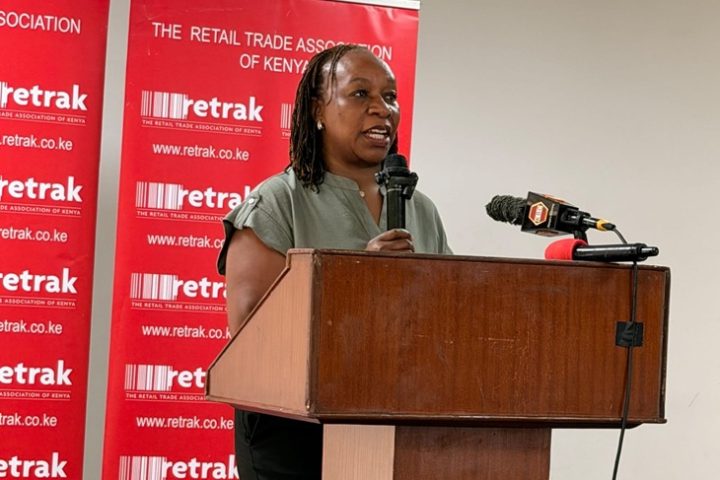
Wambui Mbarire, CEO of the Retail Trade Association of Kenya (Retrak), pointed to the cumulative weight of licensing requirements already facing small businesses. She noted that a typical supermarket must hold roughly 39 separate licenses just to operate, and argued that adding yet another permit specifically for tobacco sales works against the government’s own push for a single, streamlined business permit. In her view, stacking on more paperwork won’t improve compliance — it will simply raise the cost and difficulty of running a legal business.
Michael Kiragu, National Chairman of the Pubs, Entertainment and Restaurants Association of Kenya (PERAK), raised a similar objection, describing the dual-license structure — one general trading license plus a separate tobacco-specific one — as redundant regulatory overlap that would place unnecessary strain on businesses already licensed to operate.
Meanwhile, the Bars, Hotels and Liquor Traders Association of Kenya (BAHLITA) took aim at a different provision: the proposed blanket ban on flavored tobacco products. Secretary-General Boniface Gachoka argued that flavoring is common across other consumer goods — alcohol, confectionery, and food products among them — and that the real target should be flavors designed to appeal to children, not flavoring across the board. A total ban, he warned, would likely drive demand toward unregulated, illicit alternatives, undercutting legal sellers’ revenue while exposing consumers to products with no quality oversight — a loss for both businesses and government tax collection.
Collectively, the groups are asking Parliament to revisit these provisions so that the final law strikes a genuine balance between protecting public health and preserving the viability of legitimate businesses.
The Health Committee’s public participation sessions continue this week across Nairobi, Uasin Gishu, Bungoma, Kisumu, Meru, Tharaka-Nithi, and Laikipia counties, ahead of Parliament reconvening from recess next Tuesday.
Related Content: Tobacco Bill Faces Business Pushback as PERAK Demands Nationwide Public Hearings