
There’s an old habit among smallholder farmers in Kenya, plant first, worry about selling later. Understandably, you can’t eat a market plan, and a good rainy season doesn’t wait for anyone to draw up a marketing strategy.
But for growers of beans, green grams, cowpeas and other legumes, that habit is starting to cost real money, and a growing number of farmers are catching on.
Legumes have always mattered here. They’re cheap protein for millions of households and a welcome break from the endless cycle of maize. The big names are familiar to almost any Kenyan household beans, green grams, pigeon peas, cowpeas.
What’s less familiar, at least to many of the farmers actually growing them, is just how differently the same crop can be priced from one town to the next, or even from one buyer to the next in the same town.
Ask a trader in Nairobi and they’ll tell you plainly, not all beans are created equal, at least not in the wallet.
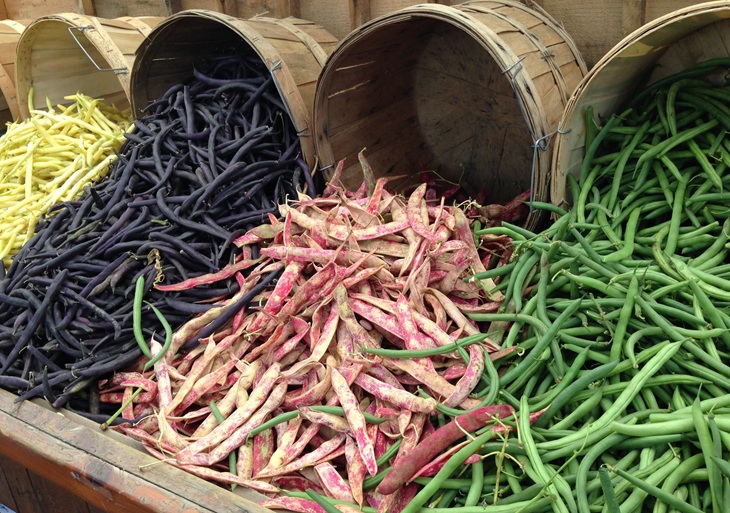
Recent wholesale figures from the Warehouse Receipt System Council put a 90-kilogram bag of Canadian Wonder at roughly KSh10,163, with Mwezi Moja close behind at about KSh10,109.
Mwitemania trails at around KSh8,454, while Yellow Green and Rosecoco sit near the top, averaging KSh11,482 and KSh11,843 respectively. Red Haricot, the variety most people know as Wairimu, comes in around KSh9,079.
A farmer who sells whatever bean variety they happen to be holding to whichever trader shows up first is leaving money on the table. Grading, sorting by variety, and shopping the price around before committing a harvest can make a real difference to the bottom line.
In much of eastern Kenya, ndengu, green grams has quietly become a cash crop in its own right. Part of the appeal is timing: some varieties mature quickly enough to slot into short growing windows, which matters a great deal in areas where drought can wipe out a longer-season crop before it’s ready
Hybrid polished green grams averaging about KSh9,968 per 90-kilogram bag, local special varieties trailing at KSh8,176, and Makueni green grams doing notably better at around KSh11,375.
But those averages hide a lot of local variation, recent market reports have shown sizeable price gaps between major towns, which is exactly why farmers in ndengu strongholds like Kitui and Makueni are increasingly being told: check before you cart your harvest anywhere.
Cowpeas rarely fetch what premium beans do, but in Kenya’s drier regions, they’re often the more sensible crop to grow in the first place, tougher, more forgiving of erratic rainfall, and still a decent earner if you find the right buyer.
A 90-kilogram bag of cowpeas has recently traded at roughly KSh8,100 in Nairobi, KSh6,750 in Mombasa, KSh8,800 in Kisumu, KSh8,100 in Nakuru, KSh7,650 in Eldoret, and KSh9,000 in Busia. That’s nearly a KSh2,000 spread across six cities, money that’s simply sitting there for anyone willing to ask around before selling to the nearest trading centre.
A 90-kilogram bag of Njahi is retailing at KSh9,800 in Nairobi, KSh8,100 in Mombasa, and a striking KSh13,500 in Eldoret. That kind of gap tells you something about scarcity and local taste njahi has a loyal following in certain areas, and farmers growing it need to know exactly where that following is.
Too often, a farmer decides what to plant based on last season’s prices, without checking whether everyone else in the area had the same idea.
When several hundred farmers all bring beans or green grams to market in the same fortnight, prices drop, and drop fast, because farmers under pressure to pay school fees or clear a loan can’t afford to wait out a glut.
The Ministry of Agriculture does track weekly and monthly commodity prices through its Agriculture Statistics Unit, and that data is there for anyone willing to look it up before harvest, not after.
What actually works: seven habits of better-paid farmers
- Start pricing before you start harvesting. Sources like KAMIS, county agriculture offices and farmer groups can tell you where demand is strongest — check at least three markets before settling on a price.
- Sell together, not alone. A farmer with three bags has almost no leverage. A cooperative with three thousand does. Kawuongo Cooperative in Kitui is the case everyone points to, aggregation took their green gram volumes from around 70 bags a season to roughly 4,000, with shared storage, sorting and grading facilities along the way. Farmers there saw prices climb from about KSh40 a kilogram to KSh120.
- Look past the local trader. Schools, hospitals, hotels and food processors buy in bulk and often more predictably than roadside brokers, but find out their quality standards, delivery timelines and payment terms before you commit.
- Sell to processors and wholesalers where you can. They typically want clean, well-dried, properly graded produce, but they’ll often pay for the reduced hassle on their end.
- Don’t assume the big city always wins. Nairobi, Mombasa, Kisumu and Eldoret often do pay more, but transport, market fees, loading costs and spoilage eat into that premium fast. Do the maths before you load the truck, not after.
- Grade properly. Dry the produce thoroughly, pick out stones and debris, sort out damaged grains. Well-graded beans and green grams are what supermarkets, processors and exporters actually want, and they’ll pay accordingly.
- Store instead of dumping. Farmers with access to certified storage don’t have to sell the moment the harvest is in. Warehouse receipt systems let farmers hold produce in certified stores and trade using the receipts themselves, buying time to wait for a better price instead of selling into a glut out of sheer necessity.
Related Content: The Price Of Beans Hits Ksh 15,000 For A 90Kg Bag In Most Parts