
Kenya could be staring down another bout of inflation if the strong El Niño forecast for later this year disrupts farming and drives up food prices, economists warn, adding a fresh layer of complexity to the country’s economic outlook.
The warning comes as global analysts weigh in on what a powerful El Niño could mean for emerging markets, many of which are especially exposed given how heavily their economies lean on agriculture and how much of household spending goes toward food.
According to Reuters, experts say the phenomenon could weigh on economic growth, push food prices higher, and make inflation harder to tame, potentially limiting how much room central banks have to cut interest rates.
Gillian Edgeworth, a fixed income portfolio manager at Wellington Management, noted that many central banks had gone into the year banking on space to lower rates, but lingering inflation risks might force them to hold firm on tighter policy for longer than planned.
Gary Tan, an equity portfolio manager at Allspring Global Investments, echoed similar concerns, saying El Niño could make inflation stickier, particularly in economies where agriculture carries significant weight.
Kenya is among the East and Southern African economies flagged by analysts as vulnerable to these kinds of weather-driven shocks, disruptions that can ripple through agricultural output, food supply chains, and overall growth.
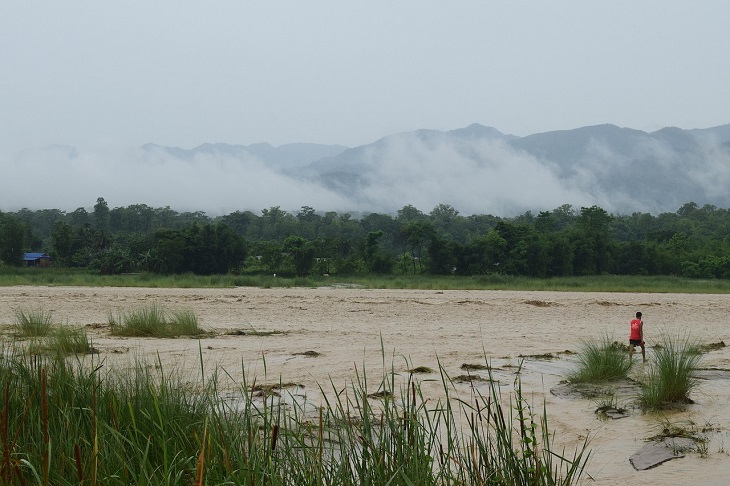
This comes as the country braces for El Niño conditions expected to set in from October, with the Kenya Meteorological Department projecting above-average rainfall during the October-November-December short rains.
Kenya Met puts the odds at 81 per cent that this year’s El Niño will be very strong, and 97 per cent that it will carry on into early 2027.
Still, meteorologists caution that how strong an El Niño is doesn’t automatically dictate how much rain falls, other climate factors come into play as well.
In response, the government has set up an Ad Hoc Cabinet Committee on El Niño Preparedness and Response, led by Deputy President Kithure Kindiki, tasked with coordinating the country’s response to the anticipated conditions.
The committee is expected to activate the national El Niño Contingency Plan, pulling together various government agencies to sharpen preparedness ahead of the rains.
Beyond the risk of flooding, economists say the broader worry lies in how El Niño could hit food prices, farm output and inflation, yet another challenge for households and policymakers already grappling with global headwinds, including the fallout from the ongoing conflict in the Middle East.
Related Content: There Shall Be No El Niño, Ok, But What About Our Billions?