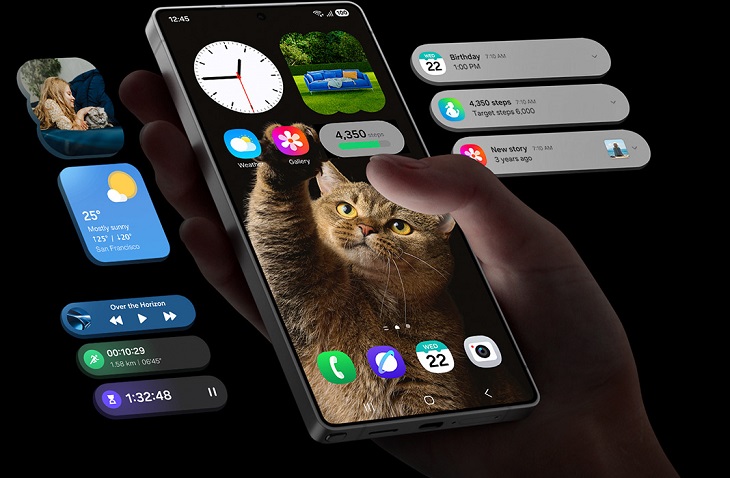

There was a time when the adjective “smart” felt revolutionary. A smartphone could browse the internet, send emails, install apps, and run maps. It responded to taps, swipes, and typed commands. It waited for us to tell it what to do.
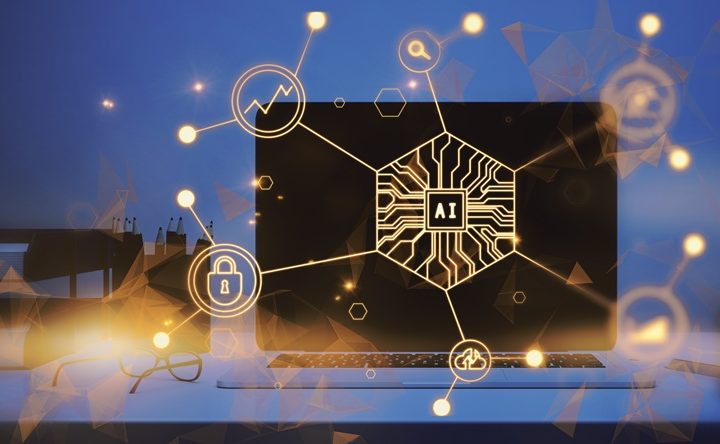
Today, we are in a different era. We are no longer merely carrying “smart” phones. We are walking around with AI platforms in our pockets.
That distinction matters.
The Shift from Reactive to Proactive
The defining characteristic of the early smartphone era was responsiveness. Devices became faster, screens sharper, batteries stronger. But fundamentally, the relationship was reactive. You issued a command; the phone executed it. You searched; it retrieved. You edited; it processed.
Artificial intelligence changes the architecture of that relationship.
AI-driven devices do not simply execute instructions; they interpret context. They identify patterns. They predict intent. Instead of waiting for the user to initiate every action, they anticipate the next logical step.
That shift, from reactive to proactive computing, is not incremental. It is structural.
Related Content: Level Up Your Daily Hustle with Samsung Galaxy AI
Friction Is the Hidden Tax on Productivity
Most professionals do not lose productivity in dramatic chunks of time. They lose it in micro-frictions.
Switching between apps to summarize meeting notes.
Manually organizing screenshots.
Editing photos one adjustment at a time.
Searching for that one file buried in hundreds of documents.
Each friction point seems trivial. But multiplied over weeks, months, and years, they become a silent tax on performance.
AI platforms are designed to eliminate these micro-frictions.
When a device can automatically summarize a meeting recording into concise bullet points, suggest task lists from conversation threads, or intelligently group and organize notes by theme, it does more than “save time.” It reduces cognitive load. And cognitive load is the real constraint in modern knowledge work.
From Features to Intelligence Layers
In the “smart” era, innovation was feature-based. Better camera. Faster processor. More storage. A new app.
In the AI era, innovation sits in the intelligence layer that runs across everything.
The camera does not just capture images; it understands scenes.
The keyboard does not just input text; it predicts tone and intent.
The gallery does not just store photos; it curates, enhances, and suggests edits automatically.
The platform becomes an assistant embedded into every interaction.
This is particularly significant in professional environments. AI tools that refine emails, restructure presentations, extract key insights from long documents, or enhance visuals without manual editing are not luxuries. They are competitive advantages.
Because productivity is no longer just about speed. It is about decision quality.
Anticipation Is the New Interface
Traditional user interfaces were built around menus and icons. AI platforms are built around anticipation.
If you routinely take meeting notes at 9 a.m., your device may proactively prepare relevant documents. If you often edit photos before posting, it may suggest improvements instantly. If you write frequently, it can refine tone, correct structure, and even propose clearer phrasing in real time.
This evolution turns the device into a collaborator.
It also changes expectations. Once users experience seamless automation—automatic summaries, intelligent search, contextual suggestions—manual processes begin to feel inefficient.
That psychological shift is powerful. It redefines what “normal” performance looks like.
The Compounding Effect of Small Gains
The most underestimated aspect of AI integration is compounding.
Saving five minutes per meeting does not feel transformative. Automatically organizing notes does not feel revolutionary. Improving photos in one tap does not feel disruptive.
But stack these improvements across dozens of daily interactions, and the result is measurable.
Reduced context switching.
Fewer repetitive tasks.
Lower mental fatigue.
Sharper output quality.
Over time, these incremental efficiencies compound into meaningful productivity gains.
This is the real story behind the move from “smart” to “AI.” It is not about novelty. It is about optimization at scale.
Security and Personalization at the Core
Another major change lies in personalization. AI platforms learn from user behavior. They adapt. They refine recommendations based on habits and preferences.
Unlike early smartphones that treated all users uniformly, AI-driven systems create a more individualized experience. Your device becomes uniquely tuned to your workflows, writing style, photo preferences, and scheduling patterns.
The challenge, of course, is balancing intelligence with privacy. Responsible AI integration requires secure on-device processing, clear data governance, and transparency. The platforms that win long-term trust will be those that combine anticipation with protection.
From Tool to Partner
Ultimately, the evolution we are witnessing is philosophical.
Smartphones were tools.
AI platforms are partners.
A tool waits to be used. A partner supports, enhances, and sometimes even leads.
This does not mean AI replaces human judgment. Rather, it amplifies it. It handles the repetitive so that humans can focus on strategy, creativity, and critical thinking.
The device in your pocket is no longer just hardware with apps. It is a continuously learning system designed to streamline decision-making and elevate output.
Consider the latest iterations of the Samsung Galaxy S Series. Beyond premium hardware, what defines them today is the embedded AI layer that assists with real-time translation, intelligent photo enhancement, automatic content summarization, and contextual productivity tools. The camera optimizes scenes without manual tweaking. Notes can be reorganized and condensed automatically. Communication becomes clearer with AI-assisted writing refinements. The experience is less about tapping through features and more about seamless orchestration.
That is the difference.
We have moved from phones that obey to platforms that anticipate.
And in a world where time, clarity, and focus are the ultimate currencies, that shift is not cosmetic. It is transformational.
Related Content: Samsung Invites Fans For An Interesting Watch Party To Win Big