
When Bhartesh Shah sat down for an interview on Citizen TV recently, he wasn’t just talking numbers. He was telling the story of a bank that, not too long ago, was bleeding money, and how it clawed its way back into the black.
As CEO of SBM Bank Kenya, Shah had every reason to sound cautious. Turnarounds are messy, and banking is an unforgiving business. But the figures he shared speak for themselves.
In 2024, SBM Kenya posted a loss of Sh1.6 billion. By 2025, that had flipped into a Sh614 million profit. Then, in the first half of 2026, profit shot up a further 171%. That’s not a slow recovery. That’s a bank that found its footing and started running.
It’s Not Just About the Numbers
What struck me most about Shah’s account wasn’t the profit figure itself, but what’s sitting underneath it. This growth is balance-sheet backed, not accounting sleight of hand. Deposits grew by 23%, and loans increased 14% in H1 2026. That combination- more money coming in and more money being lent out responsibly— is usually a sign that a bank’s fundamentals are genuinely improving, not just its optics.
Ask Shah what actually drove the turnaround, though, and he doesn’t lead with strategy decks or capital injections. He leads with people. He says the transformation started and ended with culture, and that getting the right skills into the right positions made the difference. It’s a simple idea, but one that’s easy to underestimate — banks don’t turn around spreadsheets; they turn around by getting the right humans making the right calls.
That human element also shows up in how SBM positions itself competitively. Shah claims the bank can make some of the fastest lending and business decisions in Kenya, and that flexibility, being willing to bend where a bigger, more bureaucratic bank won’t, is a real differentiator for customers who need speed.
Building Both the Physical and the Digital Bank
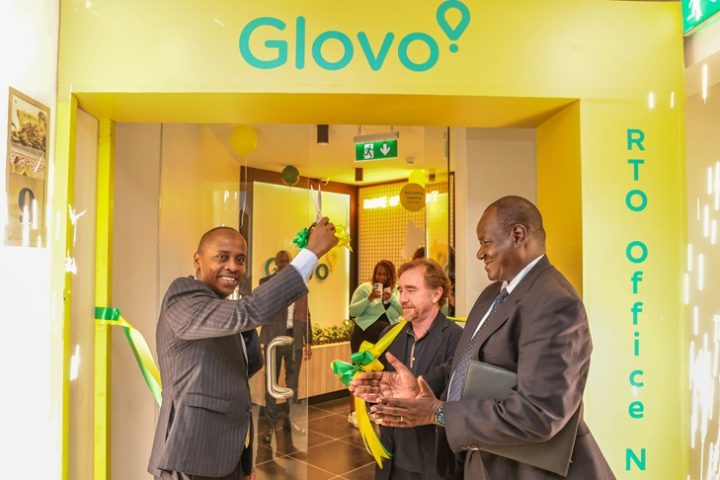
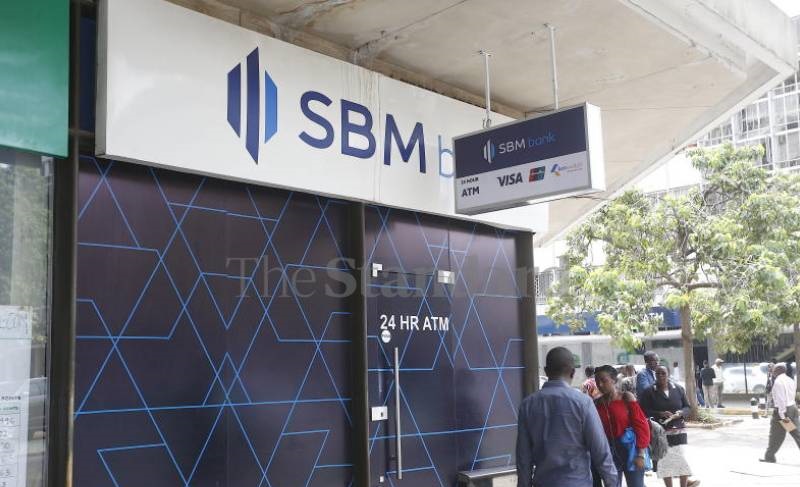
SBM isn’t retreating into pure digital banking, even as it invests heavily there. The bank just opened its 34th branch in Nyuki, and Shah says two more Nairobi branches are on the way. At the same time, the bank upgraded its core banking system in June, which Shah describes as now being among the most current globally — built specifically to support future growth rather than just patch old problems.
Naturally, more digital banking means more digital risk, and Shah didn’t dodge that. He named security and customer confidence as critical to whether people actually adopt digital banking tools. It’s a fair point — no amount of slick technology matters if customers don’t trust it enough to use it. That’s likely why, despite all the digital investment, SBM is holding onto human customer support as part of its offering. Technology can handle speed and scale; people still handle trust.
The Bigger Picture: Predictability Over Everything
The most interesting part of the interview, for me, wasn’t really about SBM at all. It was Shah’s broader read on what Kenya needs economically. Drawing a comparison to Mauritius, he argued that predictability, institutional trust, and policy consistency are what actually attract long-term investment — more than any single incentive or reform.
“As long as we have that stability and predictability in Kenya, I think we have all the ingredients there,” he said. It’s a subtle but important argument: Kenya isn’t short on raw economic potential. What it needs is consistency that lets businesses plan years instead of quarter to quarter.
Shah is clearly betting SBM Kenya can play a role in unlocking that potential, particularly by supporting MSMEs, farmers, and manufacturers who often get overlooked by bigger institutions. “I’m confident that SBM Kenya will be the catalyst of further growth in Kenya,” he said, a bold claim, but one backed, at least for now, by a balance sheet that’s finally moving in the right direction.
Whether SBM lives up to that ambition will depend on execution over the next few years. But for a bank that was posting billion-shilling losses just two years ago, the direction of travel is hard to argue with.
Read Also: SBM Bank Profits For H1 Spikes By 171.3% To Hit Ksh 548 Million