
Switching to solar is good. But on its own, it’s not nearly enough. If companies are serious about sustainability, they must look beyond energy use and tackle the entire value chain on how we source, move, and design products from start to finish.
The Hidden Emissions Problem
The biggest sustainability blind spot isn’t in offices or factories. It’s in supply chains. Transport, logistics, and resource extraction produce more emissions than many companies generate themselves. Yet because these emissions sit with third parties, they’re harder to measure and easier to ignore.
That has to change.
Epson’s Approach: Every Link Counts
At Epson, we’ve learned that real change happens only when the whole chain is in play:
Cleaner shipping: Biodiesel and green methanol cut 220 tonnes of transport emissions.
Smarter routing: Shifting to east-coast shipping in North America saved 320 tonnes more while improving delivery times.
Compact design: Lighter, smaller products reduce shipping volumes and enable greener transport.
Each initiative matters. But together, they multiply impact.
Beyond Renewables
Yes, renewables are vital. Epson is proud to be the first Japanese manufacturer to hit 100% renewable electricity worldwide, covering factories, offices, and R&D sites.
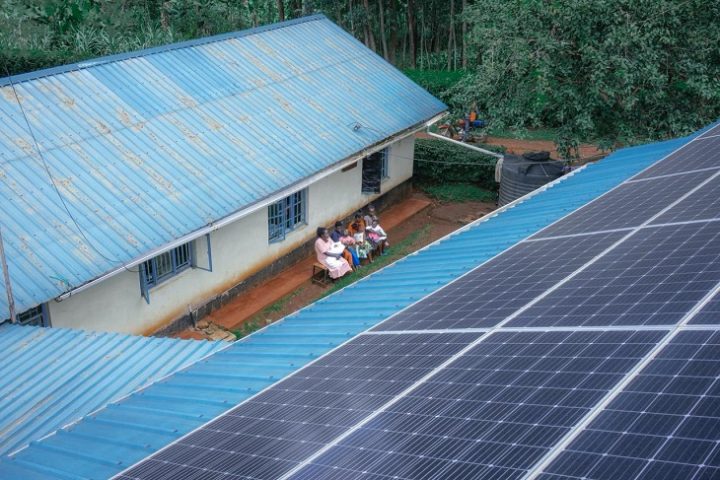
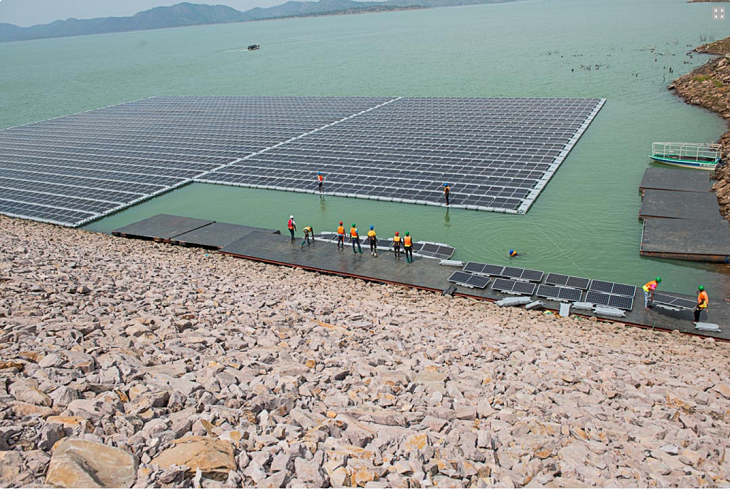
From solar-powered warehouses in Türkiye to I-RECs across global offices, renewables are now our baseline. But the real challenge is pushing impact further into logistics and materials, where the heaviest footprint lies.
The Philosophy That Drives Us
Our guiding principle, Sho-Sho-Sei, “efficient, compact, precise”, forces us to ask: how can we cut waste, shrink energy use, and design products with circularity in mind?
That mindset drives everything from metal powder recycling and water-saving technologies to tree-planting projects in Africa and beyond.
It’s not about one-off gestures. It’s about embedding sustainability in every decision.
Why Integration Wins
The companies that thrive in the future won’t just install solar panels. They’ll rethink their supply chains, close resource loops, and design products for reuse from day one.
The payoff is huge: lower costs, stronger resilience, and greater trust from customers, investors, and employees alike. Because sustainability isn’t a side project, it’s a competitive edge.
The climate challenge is too big for fragmented solutions. We need integrated action that connects energy, logistics, and design into one vision.
Solar panels light the way. But it’s what happens across the value chain that will truly power a sustainable future.
Related Content: Investors Opting For Apps And Solar To Reduce Carbon Emissions
Mukesh Bector is Epson’s Regional Head for East and West Africa