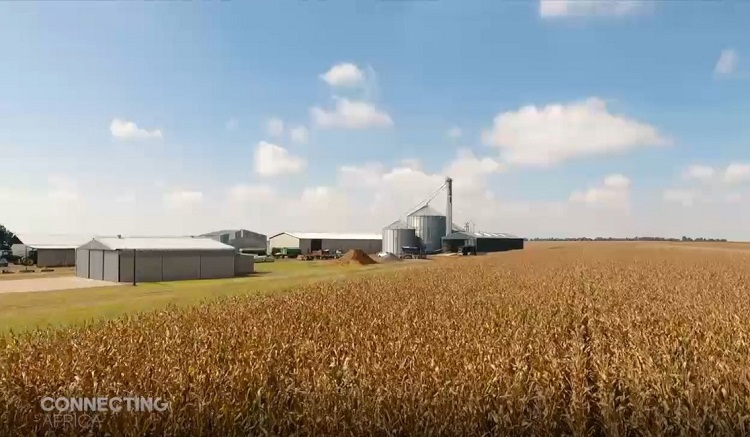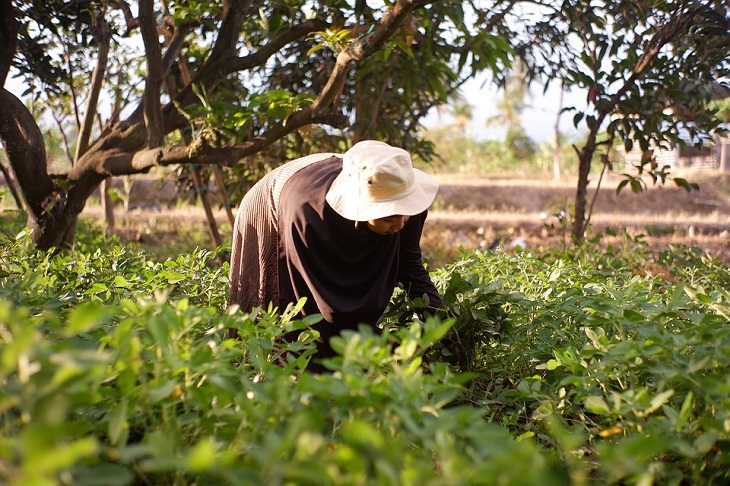

Agriculture remains the backbone of Kenya’s economy, employing over 70 percent of the rural population and contributing significantly to the country’s GDP. For decades, the sector has been the bedrock of livelihoods, the source of food security, and a driver of exports. Yet, despite its immense potential and importance, agriculture faces unprecedented risks that threaten its stability and growth.
In the past four decades alone, Kenya has endured 74 major natural disasters, including 54 floods and 14 droughts. Each of these events has left devastating impacts on farms, agribusinesses, and rural communities. With climate models now pointing to even more intense and frequent rainfall events across East Africa, the situation is growing increasingly dire. Farmers and agricultural enterprises find themselves navigating uncharted waters where unpredictability has become the new normal.
The reality is stark: erratic weather patterns, ageing machinery, and volatile global markets are straining the very foundation of agricultural livelihoods. Farmers can no longer rely on predictable seasons or stable market prices. Instead, they face the harsh prospect of losing years of investment in a single season. A heavy downpour can wash away crops, while a prolonged drought can wipe out entire herds of livestock. For agribusinesses, machinery breakdowns, rising operational costs, and exposure to global supply chain shocks add to the burden. Without effective risk management strategies and stronger infrastructure, the sector risks being trapped in a cycle of vulnerability, undermining both livelihoods and national food security.
It is worth noting that agriculture has always carried an element of risk. Farmers throughout history have known the uncertainty of harvests. However, today’s challenges are compounded by two powerful forces—climate change and global market disruptions. Together, they magnify existing risks and expose farmers to threats beyond their control. In this new landscape, resilience is not just about weathering one bad season, but about creating long-term systems that protect investments and sustain growth.
This is where risk management emerges as not just an option but a necessity. To ensure that agriculture thrives under such conditions, financial institutions like Stanbic are stepping up with tailored agribusiness solutions designed to shield farmers and enterprises from uncertainty.
Read Also: Drive Your Dreams: How Stanbic Bank Kenya’s Vehicle and Asset Finance Can Help You Grow
Stanbic’s agribusiness insurance solutions offer comprehensive coverage across multiple areas critical to farming success.
These include:
Crops and livestock insurance that protects farmers from devastating losses caused by floods, droughts, and other natural disasters.
Vehicles and farming equipment coverage, ensuring that machinery downtime does not bring operations to a halt.
Agribusiness infrastructure protection, safeguarding warehouses, storage facilities, and distribution assets that are vital for getting produce to market.
These solutions serve as more than just safety nets—they are enablers of resilience. By cushioning farmers and businesses from shocks, they give them the confidence to invest in innovation, expand operations, and plan for the future without fear of losing everything to unpredictable events.
Yet risk management must go hand-in-hand with stronger infrastructure and smarter platforms. In this space, Stanbic goes beyond traditional banking to invest in digital tools that transform how farmers and agribusinesses operate.
OneFarm Solution: An integrated platform that connects farmers directly with markets, provides insights on best practices, and strengthens operational efficiency. By bridging gaps in information and access, OneFarm enables farmers to scale sustainably while securing better returns for their produce.
E-Market Trader: A digital tool designed to empower farmers and agribusinesses to forecast and manage price volatility. In a market where unpredictability can quickly erode profits, this platform offers clarity and control, allowing producers to make informed decisions that safeguard income.
Kenya’s agricultural sector is clearly at a crossroads. On one hand, the challenges are formidable: climate extremes, infrastructure gaps, and market volatility. On the other hand, the opportunities are equally vast. With the right support systems, agriculture can not only withstand these shocks but also emerge stronger, more productive, and more sustainable.
Institutions like Stanbic are demonstrating that with the right combination of tools, insurance, digital platforms, and infrastructure support, farmers and agribusinesses can secure their livelihoods and contribute to Kenya’s food security goals. Risk management, once considered optional, is now a fundamental pillar of sustainability in agriculture.
For those seeking to protect and grow their agricultural ventures, Stanbic’s agribusiness solutions offer a gateway to resilience and prosperity. By embracing insurance, leveraging digital platforms, and investing in smarter infrastructure, farmers and agribusinesses can chart a path that is not defined by vulnerability, but by strength and opportunity.
Learn more here: Stanbic Agribusiness.
Related Content: Joshua Oigara Appointed As Stanbic Bank’s Regional Chief Executive For East Africa